

The “Thank You Plastic Bag Font” is a unique, often hand-drawn style that mimics the lettering found on reusable shopping bags. Proven designs focus on organic curves, handwritten feel, and a friendly, approachable vibe, suitable for branding and packaging seeking a casual, eco-conscious, or artisanal look.
Ever seen those charming reusable bags with their distinctive lettering? They often feature what people affectionately call the “Thank You Plastic Bag Font.” This style isn’t a single, officially named font, but rather a collection of design aesthetics that capture a feeling. It’s about that friendly, maybe slightly imperfect, handwritten look that makes you feel good about your purchase and the planet.
Finding the right way to capture this warm, artisanal essence in your design projects can sometimes feel tricky. But don’t worry! We’re going to break down exactly what makes this style work and how you can use it to create designs that are both beautiful and effective. Get ready to explore some inspiring examples and practical tips!
Understanding the “Thank You Plastic Bag Font” Vibe
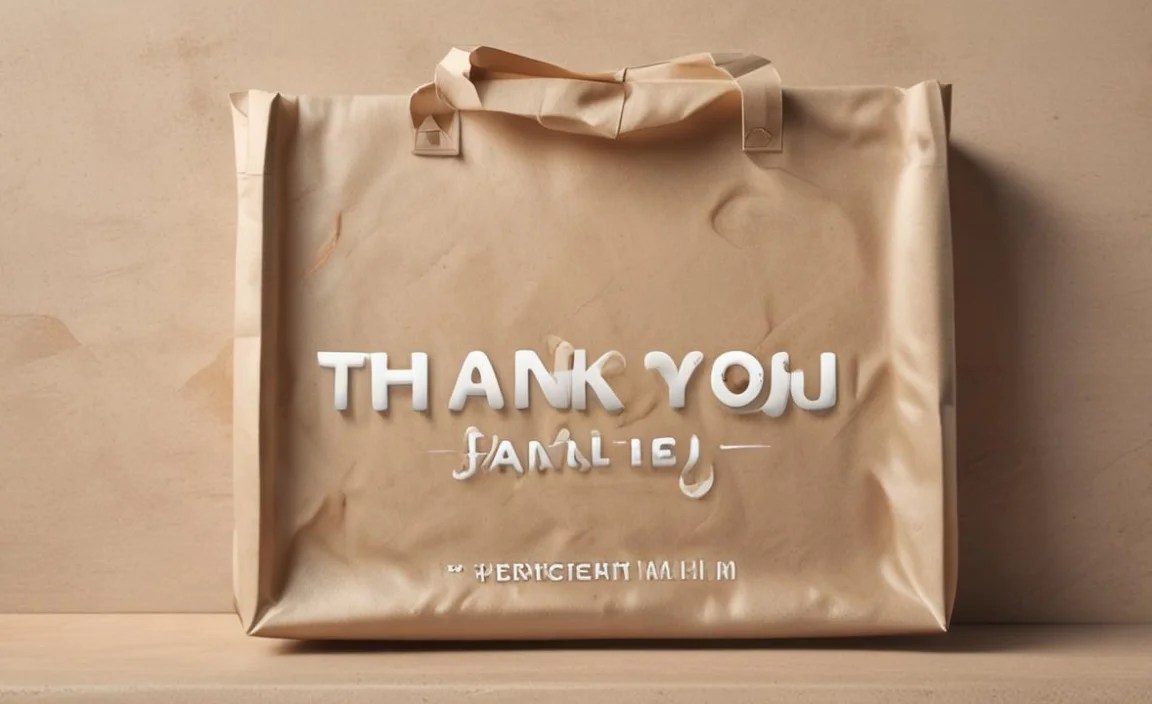
The “Thank You Plastic Bag Font” isn’t about sharp edges or rigid perfection. Instead, it’s all about embracing a certain organic feel. Think of the way letters might slightly vary in size or stroke weight, much like they would if someone were quickly but carefully writing them by hand. This adds a personal touch that digital fonts can sometimes lack.
This style thrives on a few key characteristics:
- Handwritten Appearance: It often mimics lettering that looks like it was written with a marker, brush pen, or even a simple pen.
- Organic Curves: Letters tend to have softer, more natural curves rather than geometric precision.
- Friendly and Approachable: The overall feeling is welcoming, warm, and unpretentious.
- Slight Imperfections: Minor variations in letterforms, baseline shifts, or stroke thickness add to its charm and authenticity.
- Thematic Relevance: It’s frequently associated with eco-friendly themes, artisanal products, food businesses, and brands that want to convey a down-to-earth, genuine message.
This aesthetic is powerful because it bypasses the coldness of overly corporate or digital designs. It speaks to a desire for authenticity and a connection to the maker or the product itself.
Proven Design Elements: What Makes it Work?

When we talk about “proven designs” for this style, we’re looking at elements that consistently deliver the desired impact. It’s not just about using a font that looks hand-drawn; it’s about how that font interacts with other design elements.
Font Choice: Mimicking the Signature Style
While there isn’t one “Thank You Plastic Bag Font,” there are many fonts that capture its spirit. These often fall into categories like:
- Brush Scripts: These fonts have bold, flowing strokes that mimic brush lettering. They’re great for a strong, yet friendly, statement.
- Handwritten Sans-Serifs: Think of fonts that look like they were written with a marker. They offer readability with a casual, personal touch.
- Monoline Scripts: These have a more consistent stroke width, giving a clean yet still organic, handwritten feel.
When selecting a font, consider the weight and flow. Does it feel too rigid? Too messy? The sweet spot is a font that balances legibility with personality.
Color Palettes: Natural and Earthy Tones
The colors you pair with this font style are crucial. To enhance the natural, eco-conscious feel, designers often turn to:
- Earthy Browns: Reminiscent of soil, wood, and natural fibers.
- Soft Greens: Evoking nature, growth, and sustainability.
- Cream and Off-Whites: Providing a clean, natural backdrop.
- Muted Blues: Suggesting calmness and natural elements like water or sky.
Avoid overly bright, neon, or synthetic colors, as they can clash with the organic vibe. The goal is to feel grounded and authentic.
Layout and Composition: Simple and Uncluttered
These designs often benefit from simplicity. Overly complex layouts can detract from the charm of the lettering. Look for designs that:
- Emphasize the Text: The “Thank You” message or brand name is usually the hero.
- Use Ample White Space: This allows the lettering to breathe and makes the design feel less busy and more refined.
- Incorporate Natural Textures: Think of backgrounds that resemble recycled paper, wood grain, or subtle fabric weaves.
This approach ensures the core message and the chosen typography shine through without distractions.
Imagery and Graphics: Complementary Visuals
If you use images or graphics, they should complement the overall feel. Consider:
- Illustrations: Simple, line-art style drawings of plants, animals, or produce can work beautifully.
- Photographs: If using photos, opt for those with natural lighting and a focus on organic subjects.
- Minimalist Icons: Small, subtle icons related to nature or the product can add visual interest without overwhelming the design.
The aim is to create a cohesive visual story that reinforces the brand’s values.
Practical Application: Where to Use This Style

The “Thank You Plastic Bag Font” style is versatile, but it truly shines in specific applications. When you want to convey a sense of care, quality, and connection, this is your go-to. Here are some prime examples:
1. Branding for Eco-Conscious Businesses
Companies focused on sustainability, organic products, or ethical sourcing often adopt this style. It instantly communicates their values without explicitly stating them. Think organic food stores, natural skincare brands, or boutique zero-waste shops.
2. Packaging Design
This is perhaps the most common place you’ll see this look. From coffee cups to product labels, it adds a personal touch that makes ordinary packaging feel special. It’s especially effective for smaller, artisan-produced goods.
3. Restaurant and Cafe Menus/Signage
Establishments that pride themselves on fresh ingredients, a casual atmosphere, or a farm-to-table ethos can benefit greatly. It makes the dining experience feel more welcoming and authentic.
4. Event Invitations and Stationery
For weddings, markets, or community events with a natural or artisanal theme, this font style can set the perfect tone. It feels warm, personal, and celebratory.
5. Website and Social Media Graphics
Even in the digital realm, this style can be used to create a relatable online presence. On websites or social media, it can make a brand feel more approachable and trustworthy.
Inspiration Gallery: Proven “Thank You Plastic Bag Font” Designs

Let’s look at some concrete examples of how this style is effectively implemented. While we can’t display actual images here, we can describe proven design patterns you’ll see.
Example 1: The Farmers Market Stand
Concept: A bakery selling artisanal sourdough bread.
Design Elements:
- Font: A chunky, hand-drawn sans-serif font with slightly rounded edges, like KG Red Hands or Amatic SC.
- Colors: A kraft paper brown background with off-white or cream lettering.
- Layout: Simple, stacked text: “Thank You” large, followed by “Artisan Sourdough” and the bakery name in smaller text.
- Accents: A small, single-line illustration of a wheat stalk.
Why it works: It’s honest, direct, and emphasizes the natural, handmade quality of the product.
Example 2: The Local Coffee Roaster
Concept: A small coffee shop roasting their own beans.
Design Elements:
- Font: A brush script with varying stroke widths, perhaps similar to Pacifico or Brusher.
- Colors: Deep, warm brown or a muted forest green for the text, on a recycled paper texture background.
- Layout: “Thank You for Brewing with Us” elegantly scripted, with the shop’s logo placed subtly below.
- Accents: A simple outline of a coffee bean or a steaming cup.
Why it works: The script adds a personal, crafted feel, suggesting a passion for coffee and a friendly customer relationship.
Example 3: The Organic Skincare Brand
Concept: A brand selling hand-made soaps and lotions.
Design Elements:
- Font: A clean, slightly quirky, monoline script that’s very legible. Think something like Qwigley or Rochester, but might need careful pairing.
- Colors: Soft sage green text on a pale cream or white background.
- Layout: “Thank You for Choosing Natural” centered, with organic leaf illustrations subtly framing the text.
- Accents: Minimalist line drawings of botanical elements.
Why it works: It communicates purity, gentle care, and a connection to nature, aligning perfectly with the product.
Finding the Right Fonts: Resources and Tools
Since the “Thank You Plastic Bag Font” look is a style rather than a single font, exploring font libraries is key. Here are some trusted places to find fonts that capture this spirit:
Popular Font Marketplaces:
- Google Fonts: A fantastic free resource with a huge selection. Search for “handwritten,” “script,” or “display” and filter by style. Many excellent options for this aesthetic are available here.
- Adobe Fonts: If you have an Adobe Creative Cloud subscription, you have access to a vast library of high-quality fonts.
- MyFonts: A commercial marketplace with a massive collection. You can often find unique gems here.
- Font Squirrel: Offers a curated collection of free fonts for commercial use, often with good quality and character.
What to Search For:
When browsing these sites, use keywords like:
- Handwritten Font
- Brush Script
- Casual Script
- Marker Font
- Artisan Font
- Organic Font
- “Thank You” Font Style
Font Pairing Considerations
Often, you’ll want to pair a “Thank You Plastic Bag” style font with a more readable font for supporting text. For example:
- Primary Font (Headline/Logo): A prominent brush script or hand-drawn serif.
- Secondary Font (Body Text/Details): A clean, simple sans-serif like Open Sans, Lato, or Montserrat.
The contrast between a decorative primary font and a functional secondary font creates visual hierarchy and ensures readability while maintaining the desired aesthetic.
Tables: Font Styles and Their Characteristics
To help visualize the types of fonts that fit the “Thank You Plastic Bag Font” style, here’s a comparison:
| Font Style | Key Characteristics | Best For | Example Keywords for Searching |
|---|---|---|---|
| Brush Script | Bold, varied stroke widths, dynamic flow, energetic. | Making a strong statement, logos, featured text. | Brush, script, bold, flowing, hand-painted. |
| Handwritten Sans-Serif | Looks like marker or pen writing, consistent stroke, casual. | Everyday use, branding, packaging, signage. | Handwritten, marker, casual, sans-serif, informal. |
| Monoline Script | Uniform stroke width, clean yet organic, often elegant. | Adding a touch of personal charm without being too informal. | Monoline, script, clean handwritten, elegant, personal. |
| Hand-Drawn Serif | Traditional serif structure with organic, hand-drawn imperfections. | Artisanal products, vintage feel, unique branding. | Hand-drawn, serif, organic, vintage, rustic. |
Designing with Readability in Mind
The appeal of the “Thank You Plastic Bag Font” style is its warmth, but it must remain functional. Readability is paramount, especially for packaging and signage where quick comprehension is key. Here are some tips:
1. Legibility Over Flair
While decorative fonts are great for impact, ensure the core message is easily understood. If a font is too complex or has very unusual letterforms, it might hinder communication. Test it at various sizes.
2. Adequate Spacing (Kerning and Leading)
Pay attention to the space between letters (kerning) and lines of text (leading). For hand-drawn fonts, ensure they don’t appear too cramped or too spread out. Proper spacing significantly improves readability.
3. Contrast is Key
Ensure sufficient contrast between the font color and the background. For instance, delicate handwritten scripts might get lost on busy or low-contrast backgrounds. Aim for clear distinction, as recommended by contrast guidelines, such as those from the Web Content Accessibility Guidelines (WCAG).
4. Limit Usage
This style of font works best as a headline, a logo element, or for short, impactful phrases. Don’t use it for long bodies of text. Reserve it for when you want to make a specific, stylish statement.
Common Pitfalls to Avoid
While this style is charming, it’s easy to fall into common traps that can make your design less effective. Watch out for these:
- Overuse: Trying to make every element of your design fit this style can be overwhelming and unprofessional.
- Poor Readability: Choosing a font that looks nice but is too difficult to read for its intended purpose.
- Generic Choices: Opting for the most common “handwritten” fonts without exploring unique options that better fit your brand.
- Clashing Colors: Using bright, artificial colors that detract from the natural, organic feel.
- Lack of Hierarchy: Not using different font weights or sizes to guide the viewer’s eye.
By being mindful of these, you can ensure your design effectively communicates its message while embodying the desired aesthetic.
FAQ: Your “Thank You Plastic Bag Font” Questions Answered
1. What exactly is the “Thank You Plastic Bag Font”?
It’s not a single font but a style of lettering that mimics the friendly, often hand-drawn, organic look commonly found on reusable shopping bags. It conveys warmth, authenticity, and an approachable vibe.
2. Can any font be used to achieve this look?
While the style is broad, fonts that are handwritten, script, casual, or have organic, slightly imperfect letterforms are best suited. Highly geometric or rigid fonts won’t capture the essence.
3. Where can I find good fonts for this style?
Excellent free resources include Google Fonts and Font Squirrel. Commercial options like MyFonts and Adobe Fonts offer a wider variety of unique styles.
4. What colors work best with this font style?
Earthy tones like browns, greens, creams, and muted blues are ideal. These colors reinforce the natural, organic, and approachable feel.
5. Is this font style good for body text?
Generally, no. This style is best suited for headlines, logos, short phrases, or decorative elements where impact and personality are key, but readability for long passages is not required.
6. How can I ensure my design is readable with a “Thank You Plastic Bag Font”?
Use sufficient contrast between text and background, ensure proper letter and line spacing, and pair the decorative font with a clean, legible sans-serif font for any supporting text.
7. What kind of businesses should use this style?
Businesses focused on sustainability, organic products, artisanal goods, local services, cafes, bakeries, and any brand wanting to convey a friendly, down-to-earth, or handcrafted image.
Conclusion: Crafting Your Authentic Message
The “Thank You Plastic Bag Font” style is more than just a visual trend; it’s a way to connect with your audience on a more personal level. It’s about embracing authenticity, handcrafted quality, and a touch of organic warmth in your designs. By understanding the core elements—from the handwritten feel and earthy color palettes to simple layouts and complementary visuals—you can effectively harness this aesthetic.
Remember, the goal is to create something that feels genuine and speaks directly to your audience’s desire for a more tactile, personal connection. Whether you’re designing a logo, packaging, or website, focusing on these proven design principles will help you craft a message that is not only beautiful but also deeply resonant. Experiment with different fonts, play with colors, and most importantly, let your brand’s unique personality shine through. Happy designing!


