

The Comic Papyrus font offers a unique blend of casual charm and ancient inspiration, making it a surprisingly versatile tool for designs that need to stand out. It’s perfect for projects wanting a touch of whimsy with a hint of history.
Choosing the right font can feel like a puzzle. You want your designs to look great, but with so many options, where do you even start? If you’ve ever stumbled upon a font that’s a little quirky, a little familiar, and a whole lot interesting, you might have encountered something like Comic Papyrus. It’s a font that sparks curiosity. Its distinctive style can be a fantastic asset, but it requires a thoughtful approach. Don’t worry, we’ll break down how to use this unique typeface to make your designs truly shine.
What is Comic Papyrus Font?
Comic Papyrus is primarily known as a display font, meaning it’s designed for headings and short bursts of text rather than long paragraphs. It was created by Chris L. Johnson and is often found on computer systems. The font’s aesthetic is a playful nod to ancient Egyptian papyrus scrolls, but interpreted with a modern, informal, and somewhat “comic book” feel. Think of it as a friendly scribe who’s decided to loosen up a bit. Its chunky strokes, rounded serifs, and slightly irregular baseline give it a distinctive personality that’s hard to ignore.
Why Comic Papyrus Stands Out (and How to Use It Wisely)
This font isn’t your everyday Times New Roman or Arial. Its personality is its strongest feature, but also its biggest challenge. When used correctly, Comic Papyrus can inject personality, fun, and a touch of unique flair into your designs.
The Appeal: What Makes It Special?
Unique Personality: It’s not bland. It immediately communicates a certain vibe.
Whimsical & Whimsical: Perfect for projects that need to feel approachable, quirky, or a bit playful.
“Ancient Meets Modern” Feel: It can evoke a sense of history or storytelling.
Recognizable: While not universally loved, its distinctiveness means it often gets noticed.
The Challenge: Where It Can Go Wrong
Overuse: Because it’s so distinctive, using it everywhere can make a design look cluttered or unprofessional.
Readability: For long blocks of text, especially at smaller sizes, its unique form can lead to eye strain.
Perception: It can sometimes be perceived as less formal or “serious” than other fonts, which might not suit all brand identities.
Genius Design Applications for Comic Papyrus
Let’s dive into how you can harness the power of Comic Papyrus for brilliant designs. The key is often to pair it with complementary fonts or use it strategically where its personality can truly shine.
1. Eye-Catching Headlines and Titles
This is Comic Papyrus’s sweet spot. Its bold, distinctive letterforms make it perfect for grabbing attention.
Blog Post Titles: If your blog covers quirky topics, history, or creative arts, a Comic Papyrus title can set the tone immediately.
Event Announcements: For informal workshops, community events, or themed parties, it’s a fun choice.
Book Covers & Chapters: For a fictional story with a hint of mystery, adventure, or ancient themes, it can be very effective.
Sale or Promotion Banners: To make a special offer feel exciting and a bit different from the standard.
2. Branding for Niche Audiences
Some brands can absolutely make Comic Papyrus their own. Think about businesses that want to feel approachable, creative, and a little out-of-the-box.
Children’s Entertainment: For a kids’ play center, a themed birthday party service, or an educational app for young learners.
Creative Workshops: For art classes, craft studios, or DIY project tutorials where a playful vibe is desired.
Gaming or Hobby Sites: Especially those with a fantasy, historical, or adventure theme.
Local Cafes or Bookstores: If aiming for a cozy, eclectic, or historically inspired atmosphere.
3. Infographics and Visual Content
When you need to highlight specific pieces of information or add a touch of personality to data, Comic Papyrus can be a great accent.
Highlighting Key Facts: Use it for call-out boxes or specific statistics that you want to draw extra attention to.
Section Headers: Within an infographic, it can distinguish different sections in a visually engaging way.
Themed Visuals: For an infographic about ancient civilizations, mythology, or a historical event, it ties in thematically.
4. Invitations and Greetings
For personal stationery or event invitations, its informal charm can make guests feel instantly welcome.
Party Invitations: Especially for themed parties (e.g., treasure hunts, historical reenactments).
Wedding or Baby Shower Invites: For a couple that wants a relaxed, fun, and memorable invitation.
Thank You Cards: To add a personal, heartfelt touch.
5. Educational Materials
For certain subjects or age groups, Comic Papyrus can make learning more engaging.
History Lessons: Especially when teaching about ancient Egypt, hieroglyphics, or early writing systems. The visual link can aid understanding.
Storytelling Aids: For creative writing prompts or telling adventure stories.
Pairing Comic Papyrus with Other Fonts
This is where the magic really happens. Because Comic Papyrus has such a strong personality, pairing it with more neutral fonts is often the key to a balanced and readable design.
Best Font Pairings for Comic Papyrus
The goal is to create contrast. You want a font that complements Comic Papyrus without competing with it.
For Body Text (Serifs):
Garamond: A classic serif with a refined elegance that contrasts beautifully with Comic Papyrus’s casual feel. It provides excellent readability for longer text.
Merriweather: A very readable serif typeface designed for screens, offering a slightly more modern feel than Garamond, yet still classic enough to be a good partner.
Lora: A well-balanced contemporary serif with roots in calligraphy, providing a warm and engaging reading experience that works well for digital content.
For Body Text (Sans-Serifs):
Open Sans: A highly versatile and readable sans-serif font, perfect for pairing with more decorative display fonts. Its neutrality makes it a safe and effective choice.
Lato: A clean, modern sans-serif that’s friendly and clear. It offers excellent legibility across various sizes and applications.
Montserrat: A geometric sans-serif that has a friendly and contemporary feel. It balances the slightly rustic charm of Comic Papyrus.
For Secondary Headlines or Accents:
A Simple Sans-Serif: Like the ones mentioned above (Open Sans, Lato). Use a different weight or color to distinguish it from the body text.
A Clean, Modern Serif: To offer a different kind of contrast.
What to Avoid:
Other highly decorative or script fonts: Too many strong personalities in one design lead to chaos.
Fonts that are too similar: You need contrast, not confusion.
Fonts that feel too corporate or sterile: Unless you are intentionally aiming for a very avant-garde contrast.
Example Pairing Strategy
| Use Case | Comic Papyrus Application | Complementary Font (Body Text) | Role of Complementary Font |
| Blog Post Header | Title | Open Sans | Readable paragraph text |
| Event Invitation | “You’re Invited!” | Montserrat | Details, RSVP information |
| Infographic Section | Section Title (“Ancient Facts”) | Lora | Descriptive text, data points |
| Branding Logo Element | Accent word for a cafe | Lato | Tagline or supporting text |
Design Tips for Maximum Impact with Comic Papyrus
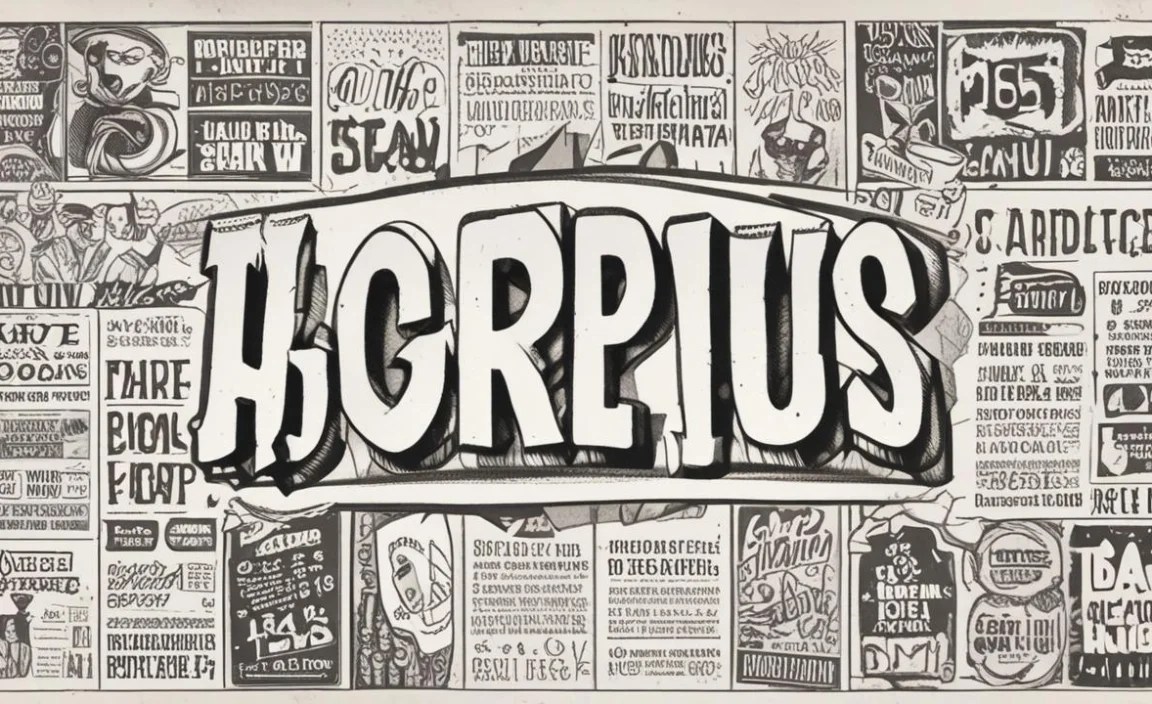
Using a font like Comic Papyrus is all about intention. Here are some practical tips to ensure your designs look polished and professional.
Master the Art of Contrast
Size Difference: Make your Comic Papyrus headlines significantly larger than your body text. This emphasizes hierarchy.
Weight Variation: If using the same font family for both headlines and body text (not recommended with Comic Papyrus for body text, but for secondary elements), use bold for headlines and regular for body.
Color Contrast: Ensure your text color has enough contrast against the background for readability.
Use It Sparingly
Headline Hero: Comic Papyrus is best treated as a “hero” font for key messages.
Accents Only: Let it play a supporting role on elements that need a unique flair, rather than being the main player.
Think “Less is More”: One or two well-placed uses are far more effective than overwhelming the viewer.
Pay Attention to Spacing (Kerning and Leading)
Kerning: The space between individual letters. Sometimes, quirky fonts can have awkward spacing. You might need to manually adjust the kerning for a smoother look, especially for larger headlines. Tools often have an “auto-kerning” feature, but manual tweaks can elevate your design.
Leading: The space between lines of text. For Comic Papyrus headlines, ensure the lines aren’t too crowded, allowing each letterform space to breathe.
Test for Readability
Small Sizes: Never use Comic Papyrus for body text. Print or view your design at the actual size it will be used. If it’s hard to read, it’s too small or in the wrong place.
Different Media: Test how it looks on screen versus in print.
Consider Your Audience and Brand
Does it fit? Before committing, ask yourself if this font truly represents the message and brand you want to convey. If your brand is ultra-professional and corporate, Comic Papyrus might be a misstep. If it’s about fun, creativity, and a touch of the unconventional, it could be a winner!
Exploring Comic Papyrus: Where to Find and Use It
Comic Papyrus is widely available, which makes it accessible for most design projects.
Availability
System Font: It often comes pre-installed on Windows operating systems.
Free Font Sites: You can find it on many free font repositories, always check the licensing if you plan to use it for commercial projects. Reputable sources like Google Fonts offer similar styles of fonts if you are looking for open-source alternatives. While Comic Papyrus itself isn’t on Google Fonts, fonts like “Chewy” or “Bangers” offer a casual, display-oriented feel.
Paid Font Marketplaces: Some sites may offer enhanced versions or bundles.
Licensing
It’s crucial to be aware of font licensing, especially for commercial use. Many freely distributed fonts come with licenses that permit personal use but require a purchase for commercial projects. Always check the specific license agreement for Comic Papyrus from where you download it. For instance, many fonts are available under the Open Source Initiative, which generally allows for broad use, but nuances exist.
Alternatives to Comic Papyrus
If, after all this, you find Comic Papyrus isn’t quite the right fit or you need more options, here are a few alternatives that capture a similar spirit of playful or distinctive typography:
Similar Styles & Vibes
Bangers: A Google Font with a bold, comic-book feel. It’s energetic and great for headlines.
Chewy: Another Google Font, this one has rounded, bubbly letterforms that are very friendly and approachable.
Luckiest Guy: A very cheerful, bold sans-serif that screams fun and informal.
Amatic SC: A tall, condensed, hand-lettered style font that feels quirky and artistic. Great for a more delicate, playful touch.
* Permanent Marker: Mimics the look of a thick marker, offering a raw, energetic, and very informal style.
These fonts, like Comic Papyrus, are generally best suited for display purposes rather than extended body text.
Frequently Asked Questions About Comic Papyrus Font
Q1: Is Comic Papyrus a serif or sans-serif font?
A1: Technically, Comic Papyrus has serifs – the small decorative strokes at the ends of letters. However, its overall style is very informal and chunky, blurring the lines between a traditional serif and a display font. It’s often categorized as a decorative or display font due to its unique character.
Q2: Can I use Comic Papyrus for my business logo?
A2: You can, but consider your brand’s personality carefully. Comic Papyrus is highly distinctive and can convey a fun, quirky, or informal brand image. If your business is playful, creative, or targets a younger demographic, it could work. However, for a more serious, corporate, or elegant brand, it might not be the best choice. Always check licensing for commercial use.
Q3: Is Comic Papyrus suitable for website body text?
A3: No, Comic Papyrus is generally not recommended for website body text. Its decorative nature and irregular shapes can make it hard to read in large blocks of text, especially on screens. Stick to more legible sans-serif or serif fonts for your website’s main content for a better user experience.
Q4: Where can I find Comic Papyrus?
A4: Comic Papyrus often comes pre-installed with Windows operating systems. You can also find it on numerous free font websites. When downloading from unofficial sources, always verify the licensing terms, especially for commercial projects.
Q5: How do I create a good font pairing with Comic Papyrus?
A5: The best way to pair Comic Papyrus is with a clean, simple, and highly readable font. Choose a classic serif (like Garamond or Lora) or a versatile sans-serif (like Open Sans or Lato) for your body text. This creates a visually appealing contrast and ensures your main content remains easy to read while Comic Papyrus adds a unique flair to headlines.
Q6: What kind of projects is Comic Papyrus best suited for?
A6: Comic Papyrus excels in projects that call for a playful, quirky, or slightly historical feel. Think children’s materials, informal invitations, creative workshop branding, themed event announcements, or eye-catching headlines for blog posts and infographics.
Q7: Are there any fonts similar to Comic Papyrus?
A7: Yes, if you like the vibe but want alternatives, consider Google Fonts like “Bangers,” “Chewy,” or “Luckiest Guy,” which offer a strong comic or playful display style. “Amatic SC” and “Permanent Marker” also provide unique, informal aesthetics.
Conclusion: Embrace the Unique with Comic Papyrus
There you have it! Comic Papyrus isn’t just a font you might have seen around; it’s a powerful tool for injecting personality and unique style into your designs. By understanding its strengths and weaknesses, pairing it thoughtfully with complementary typefaces, and applying it strategically, you can elevate your projects from ordinary to unforgettable.
Remember, the most effective designs often come from embracing the unconventional. Whether you’re crafting a headline that needs to pop, a brand identity that speaks of fun, or an invitation that sets a playful tone, Comic Papyrus offers a distinctive charm that can help your message resonate. So, don’t be afraid to experiment! With a little creativity and these tips, you can harness the genius of Comic Papyrus to create genuinely compelling and visually engaging designs. Happy designing!


