
Bubble letter fonts are playful, rounded typefaces perfect for adding a fun, attention-grabbing vibe to designs. They’re incredibly versatile, ideal for everything from party invitations and children’s books to branding and social media graphics. Mastering their use can inject personality and visual appeal into your projects with ease.
Ever stared at a blank design canvas, feeling like something’s missing? Maybe your text looks a bit too serious, or you just want to add a splash of fun. That’s where the magic of bubble letter fonts comes in! These plump, friendly characters are like a burst of sunshine for your words, making them instantly more engaging.
They can transform a simple phrase into a delightful visual element, no complex design skills needed. If you’ve ever wondered how to use these quirky fonts to make your projects pop, you’re in the right place. We’ll explore what makes them so special and how you can easily incorporate them.
What Exactly Are Bubble Letter Fonts?
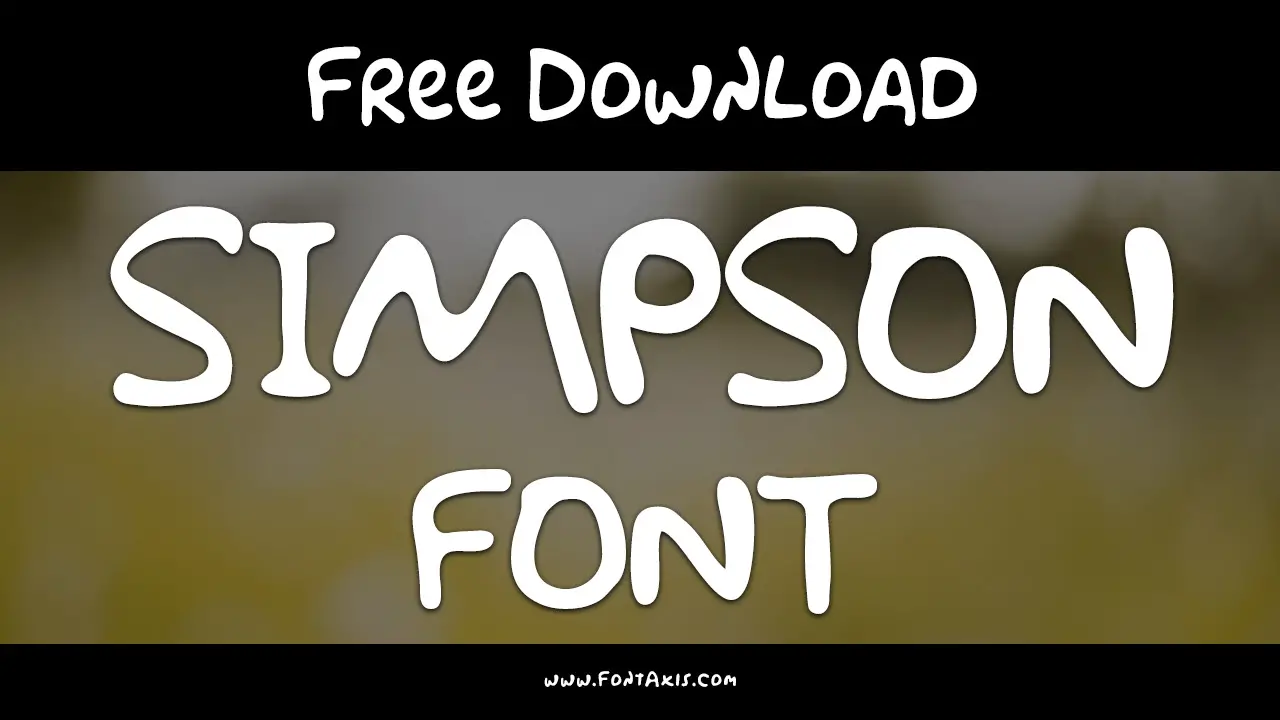
Bubble letter fonts, also known as “bubble fonts” or “balloon fonts,” are characterized by their extremely rounded, soft edges and bulbous shapes. Think of them as letters that have been inflated with air, giving them a delightful, plump, and often playful appearance. Unlike standard fonts with sharp serifs or clean sans-serif strokes, bubble letters are all about curves and volume. They create a sense of softness, joy, and approachability.
These fonts are perfect for designs aiming for a lighthearted, energetic, or youthful feel. They’re less about formal readability at long text lengths and more about making a strong, memorable visual statement. They can be playful, quirky, and utterly charming, making them a go-to choice for many creative projects.
Why Use Bubble Letter Fonts? The Creative Advantages
The appeal of bubble letter fonts lies in their inherent ability to inject personality and visual excitement. Here’s why they’re such a genius choice for various projects:
- Maximum Visual Appeal: Their unique shape naturally draws the eye, making them excellent for headlines, logos, and calls to action.
- Instant Playfulness: They immediately evoke a sense of fun, cheer, and lightheartedness, perfect for events, children’s themes, or brands wanting a friendly image.
- Versatility in Application: Despite their distinct style, they can be adapted for a surprising range of uses, from digital graphics to print materials.
- Demanding Attention: In a crowded visual space, a well-placed bubble letter font can help your message stand out from more conventional typography.
- Expressive and Energetic: They convey a sense of movement and vibrancy, making content feel more dynamic and engaging.
Types of Bubble Letter Fonts and Their Unique Styles
While the core concept of “bubble” remains, these fonts come in various interpretations, each with its own charm. Understanding these nuances can help you pick the perfect one for your project:
| Type | Description | Best For | Keywords |
|---|---|---|---|
| Classic Rounded | Smooth, uniform curves with a consistent thickness. Very approachable and clean. | Children’s books, invitations, general branding. | Cute, friendly, simple, soft. |
| 3D & Layered | Features shadows, highlights, or multiple layers to give a dimensional, pop-out effect. | Logos, posters, event titles needing extra impact. | Bold, impactful, dynamic, vintage. |
| Chunky & Bold | Thicker, more substantial bubbles that feel very solid and imposing. | Headlines, signage, brand elements for a strong presence. | Strong, solid, bold, assertive. |
| Hand-Drawn/Quirky | Slightly irregular shapes, variations in thickness, or a more organic feel. | Artistic projects, unique branding, informal communication. | Whimsical, unique, artistic, irregular. |
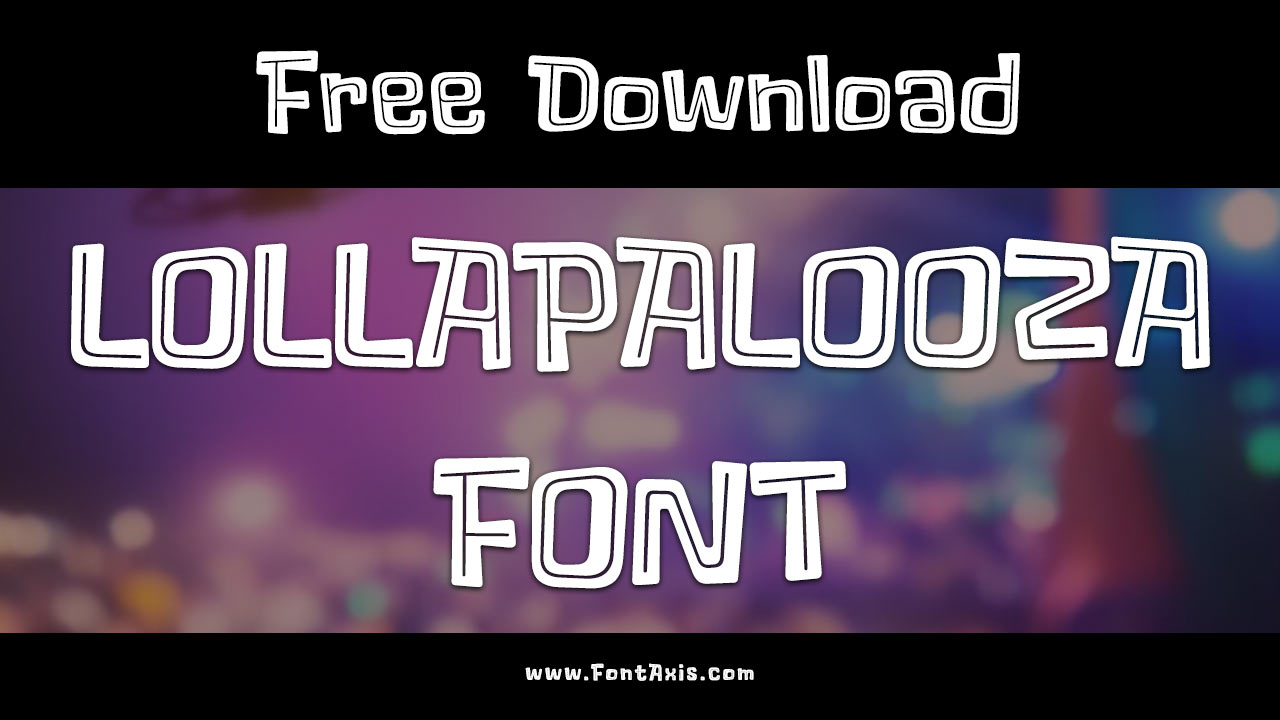
| Outline Bubble | Letters formed by thick outlines, leaving the center empty, often with a bubbly shape. | Retro designs, specific graphic styles, decorative elements. | Retro, decorative, airy, outlined. |
Where to Find Bubble Letter Fonts
Finding the perfect bubble letter font is easier than you might think! There are numerous online repositories offering a wide variety of styles, from free options to premium, professionally designed typefaces.
Free Font Resources
For beginners or those on a budget, free font websites are an excellent starting point. Always check the license agreements to ensure commercial use is permitted if needed.
- Google Fonts: While not a vast selection of true “bubble” fonts, you can find rounded or very soft sans-serif options that can achieve a similar feel. Search terms like “rounded” can yield good results.
- DaFont: A massive database of freely downloadable fonts. Use their “Fancy” or “Script” categories and search for “bubble,” “balloon,” or “rounded” for many results.
- Font Squirrel: Offers a curated collection of high-quality free fonts for commercial use. Their selection might be more limited but often of better quality and usability.
- 1001 Free Fonts: Similar to DaFont, this site has a huge library and categorization that makes searching for specific styles like bubble fonts straightforward.
Premium Font Marketplaces
If you need unique, high-quality, or more stylistically refined bubble fonts, investing in a premium option can be worthwhile. These fonts often come with better kerning, more character sets, and clear commercial licenses.
- MyFonts: A leading marketplace for commercial fonts. You’ll find a vast array of professional bubble fonts here.
- Creative Market: Popular among designers for its vast selection of fonts, graphics, and templates. Many unique bubble fonts are available.
- Envato Elements: Offers a subscription service where you can download unlimited fonts (and other design assets) for a monthly fee.
How to Use Bubble Letter Fonts Effectively in Your Designs
Bubble letter fonts are best used strategically. They’re not typically suited for body text but shine in specific roles within your design.
1. Headlines & Titles
This is their primary domain! Use bubble fonts for main titles and subheadings to grab attention immediately. They make your most important text visually interesting.
- Example: A party invitation’s title like “You’re Invited!” or a playful product name.
2. Logos & Branding
For brands that want to convey fun, approachability, or a youthful spirit, bubble fonts can be excellent for logos. Think of toy companies, children’s brands, or casual eateries.
- Consider: Ensure the font remains legible at small sizes. Customization might be needed.
3. Call-to-Action (CTA) Buttons
If you want a button to feel less formal and more inviting, a bubble font for the text inside can work wonders. The playful nature encourages clicks.
- Example: “Sign Up Now!” or “Get Yours Today!”
4. Social Media Graphics
Bubble fonts are perfect for Instagram stories, Facebook posts, or Pinterest pins where you need to create eye-catching text overlays that stand out in a busy feed.
- Tip: Use them for short, punchy phrases.
5. Decorative Elements
Sometimes, a bubble letter font can be used purely for its visual texture, almost like a graphic element itself, perhaps for a background or accent piece.
Tips for Pairing Bubble Letter Fonts with Other Typefaces
Using a bubble font doesn’t mean you have to stick to just one. Pairing it smartly with other fonts is key to a balanced and professional design.
- Contrast is Key: Pair bubble fonts with simple, legible fonts. A clean sans-serif or a classic serif font works wonderfully to provide balance and ensure readability for surrounding text.
- Keep it Simple: Avoid pairing bubble fonts with other highly decorative or script fonts. This can make your design cluttered and overwhelming.
- Hierarchy Matters: Use the bubble font for dominant text (like headlines) and pair it with a simpler font for supporting text (like body copy or footnotes).
- Consider the Mood: If your bubble font is very playful, a more neutral font will ground it. If your bubble font is slightly more subdued, you might lean towards a slightly more characterful but still readable font.
Good Pairing Combinations:
- Bubble + Clean Sans-Serif: A classic and reliable choice. Think “Montserrat,” “Open Sans,” or “Lato.”
- Bubble + Simple Serif: For a touch of elegance that still feels friendly. Think “Merriweather,” “Lora,” or “Playfair Display.”
- Bubble + Monospace: Can create an interesting, quirky contrast. Think “Roboto Mono” or “Source Code Pro.”
Adjusting Bubble Letter Fonts: Kerning, Leading, and Tracking
Even the most charming font can look a bit off if the spacing isn’t right. Here’s how to fine-tune your bubble letters:
- Kerning: Adjusting the space between specific pairs of letters. For bubble fonts, watch out for letters that might visually collide or have too much space between them (e.g., ‘AV’, ‘Wo’).
- Tracking: The overall spacing of a block of text. Sometimes, bubble fonts can feel a bit cramped. Slightly increasing tracking can improve legibility and visual flow.
- Leading: The space between lines of text. Because bubble letters can be quite tall and round, ensure you have enough leading so lines don’t overcrowd each other, especially if they’re in all caps.
Most design software (like Adobe Photoshop, Illustrator, Canva, or Figma) provides tools to adjust these settings. Don’t be afraid to experiment!
Common Pitfalls to Avoid with Bubble Letter Fonts
While fantastic, bubble fonts have their own set of challenges. Being aware of these can save your design from looking amateurish.
| Common Pitfall | How to Avoid It | Why It Matters |
|---|---|---|
| Overuse | Use sparingly for impact, primarily for headlines or key phrases. Substitute with simpler fonts for body text. | Can make a design look childish, unprofessional, or difficult to read. |
| Poor Readability | Choose well-designed bubble fonts. Test them at the intended size. Ensure sufficient contrast with the background. | Readers may struggle to decipher messages, especially for longer text or at small sizes. |
| Inconsistent Spacing | Manually adjust kerning and tracking where necessary. Use preview tools to check for awkward gaps. | Looks sloppy and unprofessional, hindering user experience. |
| Brand Misalignment | Ensure the font’s playful nature aligns with your brand’s overall message and target audience. | Can confuse customers and dilute brand identity. |
| Small Text Issues | Avoid using bubble fonts for small text or fine details as they lose their shape and legibility. | Details get lost, and the roundness can make small characters indistinguishable. |
Bubble Letter Fonts in Action: Inspiring Examples
Seeing bubble letter fonts used creatively can spark your own ideas. Here are some common (and effective) applications:
- Children’s Product Packaging: Think colorful cereal boxes or toy packaging where fun and excitement are paramount.
- Event Flyers: Birthdays, casual parties, or fairs benefit from the festive feel bubble fonts provide.
- Mobile App Interfaces: For specific sections or buttons that need to feel engaging and friendly.
- YouTube Channel Art/Thumbnails: To create immediately attention-grabbing titles that stand out.
- DIY & Craft Projects: Often used in crafting patterns or for signage at local markets.
Websites like Canva’s design blog often showcase inspirational graphics that use these types of fonts effectively, demonstrating their versatility across different design contexts.
Conclusion
Bubble letter fonts are more than just a quirky trend; they’re a powerful tool in your design arsenal for adding personality, energy, and undeniable charm. They excel at capturing attention, conveying a lighthearted mood, and making your most important messages sing. By understanding their strengths, knowing where to find them, and applying them strategically—keeping readability and brand alignment in mind—you can transform your projects from ordinary to extraordinary.
Remember to pair them wisely with simpler fonts, adjust spacing for optimal visual flow, and always consider your audience and the overall message you wish to send. Don’t be afraid to experiment! The next time your design needs a burst of joy or a friendly nudge, reach for a bubbly alphabet and watch your words come alive. Happy designing!
Frequently Asked Questions
What is a bubble letter font?
A bubble letter font is a typeface characterized by extremely rounded, soft, and often bulbous letterforms. They resemble letters that have been inflated, giving them a playful, soft, and visually engaging appearance.
Are bubble letter fonts good for body text?
Generally, no. Bubble letter fonts are best suited for headlines, titles, logos, and short phrases. Their decorative nature and rounded shapes can make them difficult to read in large blocks of text.
Where can I find free bubble letter fonts?
You can find free bubble letter fonts on websites like DaFont, 1001 Free Fonts, and Font Squirrel. Always check the license to ensure they are suitable for your intended use, especially for commercial projects.
How do I make my own bubble letters?
You can create bubble letters using vector design software like Adobe Illustrator or Inkscape. Start with a standard font, convert it to outlines, and then use the pen tool or path operations to round out the corners and inflate the shapes. Alternatively, many graphic design tools like Canva offer pre-made bubble letter styles or fonts.
When should I avoid using bubble letter fonts?
Avoid bubble letter fonts for formal documents, professional reports, body copy, small text, or any situation where maximum legibility and a serious tone are required. They also might not be suitable for brands aiming for a purely sophisticated or minimalist image.
What’s the difference between bubble fonts and rounded fonts?
Rounded fonts simply have softer, less sharp edges compared to standard serif or sans-serif fonts. Bubble fonts are an extreme version of rounded fonts, featuring significantly larger, more bulbous, and often thicker letterforms that give them their distinctive plump appearance.
Can bubble letter fonts be used for logos?
Yes, absolutely! Bubble letter fonts are excellent for logos when a brand wants to convey a sense of fun, playfulness, approachability, or a youthful energy. They can make a logo instantly memorable and inviting.